

1. Banff National Park, Alberta
Banff National Park
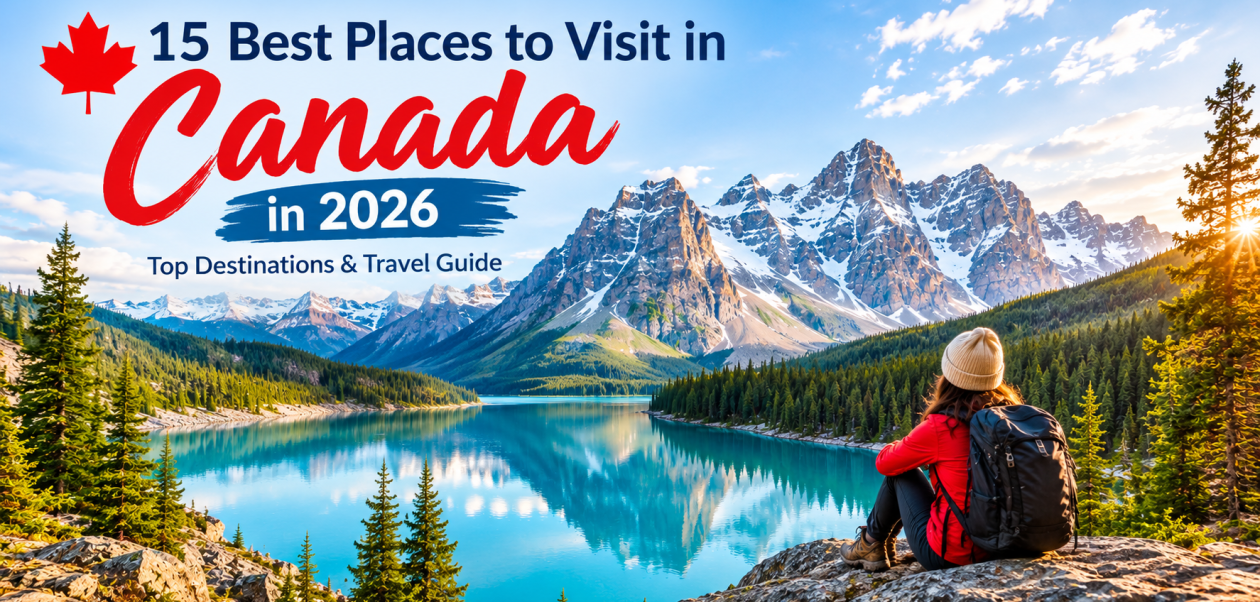
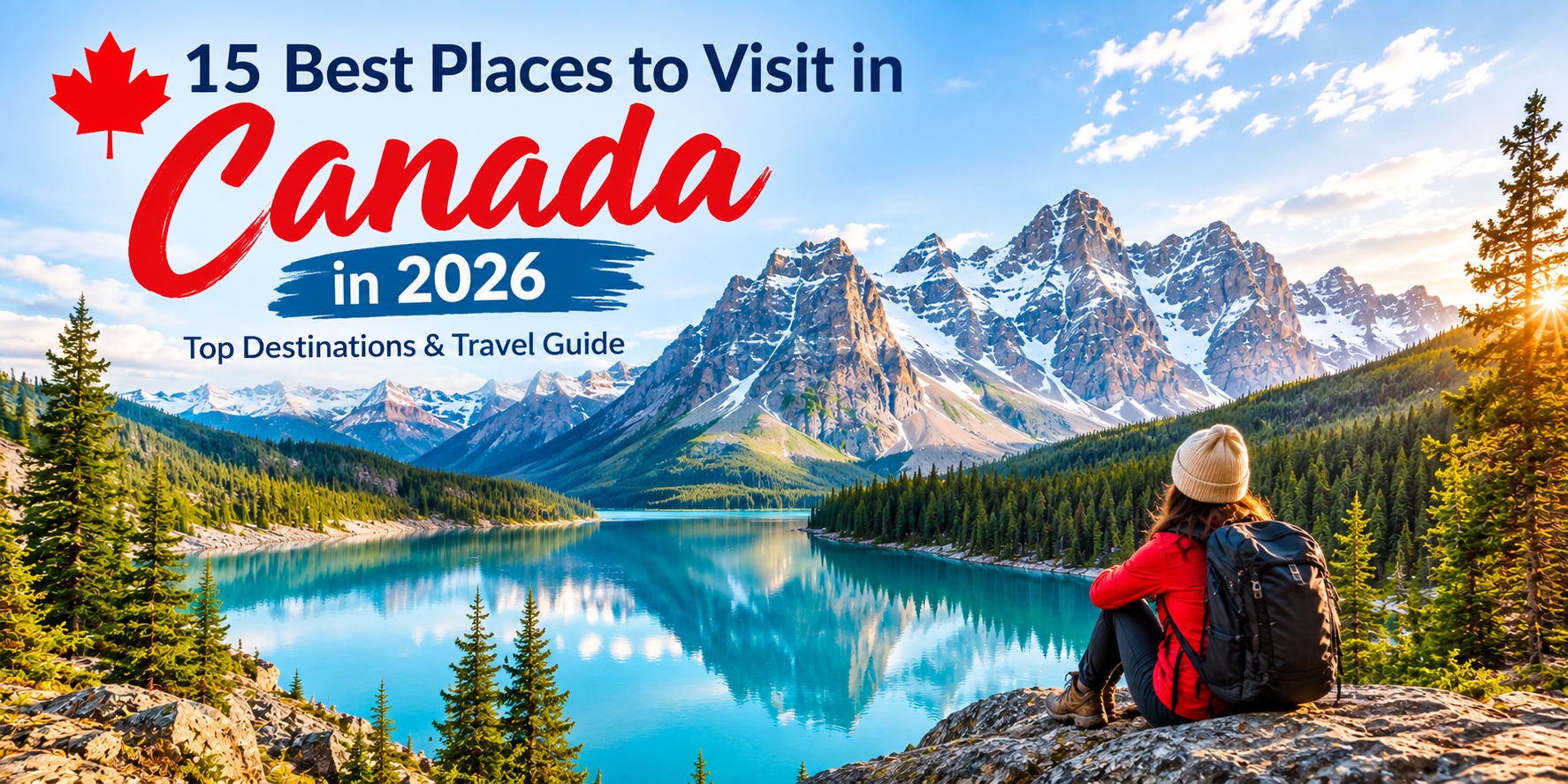
If dramatic mountain scenery is your priority, Banff National Park belongs near the top of your Canada itinerary.
Located in the Canadian Rockies, Banff is famous for turquoise alpine lakes, towering peaks, hiking trails and wildlife. Lake Louise and Moraine Lake are among the most recognizable landscapes in the country.
Best things to do in Banff
- Visit Lake Louise
- Explore Moraine Lake
- Ride the Banff Gondola
- Drive sections of the Icefields Parkway
- Hike through the Rockies
- Soak in the Banff Upper Hot Springs
- Explore the town of Banff
Best for: Mountain scenery, hiking, photography, couples and outdoor adventures.
Where to stay
Luxury:
suited to travelers looking for a historic resort experience and extensive amenities.
Mid-range: A centrally located Banff hotel or lodge ideal for travelers who want easy access to restaurants, tours and transportation.
Budget: Hostels and simple lodges around Banff — best for backpackers and travelers prioritizing outdoor activities over hotel facilities.
Tip: Accommodation in and around Banff can become expensive during peak periods, so booking early is worthwhile.
2. Vancouver, British Columbia
Vancouver
Vancouver combines a cosmopolitan city with mountains, beaches, forests and the Pacific Ocean.
You can walk around downtown in the morning, cycle beside the water in the afternoon and enjoy mountain views before dinner.
Destination Canada highlights Vancouver’s combination of its seawall, beaches, towering trees, neighborhoods and diverse food scene.
Top things to do in Vancouver
- Walk or cycle the Stanley Park Seawall
- Visit Granville Island
- Explore Gastown
- Spend time at English Bay
- Visit Vancouver Aquarium
- Take a day trip to Whistler
- Ride the Sea to Sky Gondola
Best for: First-time visitors, families, food lovers and travelers combining city and nature.
Where to stay
Luxury:
good for travelers seeking an upscale downtown stay.
Mid-range: A hotel around Downtown Vancouver or Yaletown — convenient for sightseeing and dining.
Budget: Hostels and budget hotels around downtown or near transit stations — practical for independent travelers.
3. Quebec City, Quebec
Quebec City
For history and European-style atmosphere, Quebec City offers an experience unlike most other Canadian destinations.
The Old Québec area features historic architecture, cobblestone streets and centuries of French-Canadian heritage. Destination Canada describes the city as combining historic charm with nearby outdoor experiences.
Don’t miss
- Old Québec
- Château Frontenac
- Terrasse Dufferin
- Petit-Champlain
- Plains of Abraham
- Montmorency Falls
- St. Lawrence River
Best for: History, architecture, couples, food and cultural travel.
Where to stay
Luxury:
ideal for travelers who want to stay in one of Canada’s most recognizable historic hotels.
Mid-range:
excellent for travelers who want to walk to major attractions.
Budget: Guesthouses and hotels outside the historic core — often better suited to travelers watching accommodation costs.
4. Niagara Falls, Ontario
Niagara Falls
Few Canadian attractions are as instantly recognizable as Niagara Falls.
The enormous waterfalls are the main attraction, but the surrounding Niagara region offers much more, including wineries, restaurants, hiking and Niagara-on-the-Lake.
Destination Canada notes that Niagara combines the falls with vineyards, culinary experiences, outdoor activities and historical attractions.
Best things to do
- See Niagara Falls from the Canadian side
- Take a boat tour
- Visit Journey Behind the Falls
- Explore Niagara-on-the-Lake
- Tour local wineries
- Walk along the Niagara River
- Visit Niagara Glen
Best for: Families, couples, day trips and first-time visitors.
Where to stay
Luxury:
best for travelers who want the waterfalls right outside their window.
Mid-range:
convenient for attractions and restaurants.
Budget: Motels and smaller hotels outside the busiest tourist area — better for road-trippers and budget travelers.
5. Toronto, Ontario
Toronto
Canada’s largest city is an excellent starting point for travelers interested in food, culture, entertainment and urban attractions.
Top attractions
- CN Tower
- Royal Ontario Museum
- St. Lawrence Market
- Distillery Historic District
- Toronto Islands
- Kensington Market
- Hockey Hall of Fame
Toronto also works well as a base for exploring Niagara Falls.
Best for: City breaks, food, shopping, families and first-time visitors.
6. Jasper National Park, Alberta
Jasper National Park
Jasper offers a quieter Rocky Mountain experience, with enormous mountain landscapes, lakes, forests and opportunities for wildlife viewing.
The Icefields Parkway, connecting the Banff and Jasper areas, is one of the most memorable road-trip routes in the Canadian Rockies.
Things to do
- Drive the Icefields Parkway
- Visit Maligne Lake
- Explore Maligne Canyon
- See Athabasca Falls
- Take a glacier tour
- Hike mountain trails
- Enjoy dark-sky experiences
Best for: Road trips, hiking, wildlife and travelers seeking mountain scenery.
7. Montreal, Quebec
Montreal
Montreal is a lively choice for travelers who enjoy food, culture, festivals, architecture and nightlife.
Explore Old Montreal, climb Mount Royal and spend time discovering the city’s cafés and restaurants.
Top experiences
- Walk through Old Montreal
- Visit Notre-Dame Basilica
- Explore Mount Royal
- Eat poutine and bagels
- Visit Jean-Talon Market
- Explore the Old Port
- Discover Montreal’s art and music scene
Best for: Food lovers, couples, nightlife and cultural travelers.
8. Whistler, British Columbia
Whistler
Whistler is one of Canada’s best-known mountain resorts.
Winter brings skiing and snowboarding, while summer offers hiking, mountain biking, sightseeing and outdoor adventures.
Best things to do
- Ski or snowboard
- Ride the Peak 2 Peak Gondola
- Hike mountain trails
- Mountain bike
- Explore Whistler Village
- Take scenic drives through British Columbia
Best for: Adventure travelers, winter sports and mountain getaways.
9. Ottawa, Ontario
Ottawa
Canada’s capital is a worthwhile addition for travelers interested in Canadian history and government.
Highlights
- Parliament Hill
- Canadian Museum of History
- Canadian War Museum
- Rideau Canal
- ByWard Market
- National Gallery of Canada
Best for: Families, history enthusiasts and short city breaks.
10. Prince Edward Island
Prince Edward Island
Prince Edward Island offers a slower-paced Atlantic Canada experience with red-sand beaches, coastal scenery, seafood and charming rural communities.
It’s particularly appealing during the warmer months.
Things to do
- Explore Charlottetown
- Visit Cavendish Beach
- Drive the coastal routes
- Try fresh Atlantic seafood
- Explore Green Gables heritage sites
- Visit small coastal communities
Best for: Couples, families, food lovers and scenic road trips.
11. Halifax, Nova Scotia
Halifax
Halifax makes an excellent base for discovering Nova Scotia’s coast.
The waterfront, historic neighborhoods, seafood restaurants and maritime heritage give the city a distinctive character.
Nearby experiences
- Halifax Waterfront
- Maritime Museum of the Atlantic
- Peggy’s Cove
- Lunenburg
- Coastal road trips
- Atlantic seafood experiences
Best for: Food, coastal scenery, history and road trips.
12. Victoria, British Columbia
Victoria
Located on Vancouver Island, Victoria is known for its waterfront setting, gardens and historic architecture.
It’s a natural addition to a British Columbia itinerary that includes Vancouver.
Things to do
- Explore Inner Harbour
- Visit Butchart Gardens
- Walk through Old Town
- Visit the Royal BC Museum
- Enjoy afternoon tea
- Explore Vancouver Island
Best for: Couples, gardens, relaxed travel and families.
13. Churchill, Manitoba
Churchill
Churchill is one of Canada’s most distinctive wildlife destinations.
It is particularly famous for opportunities to see polar bears, while beluga whales are another major attraction during the appropriate season.
Best for: Wildlife enthusiasts, photographers and travelers looking for an unusual Canadian adventure.
Travel tip
Churchill requires more planning than major Canadian cities. Wildlife trips are generally organized around specific seasons, so check current tour availability and conditions before booking.
14. Yukon
Yukon
For travelers looking beyond Canada’s major tourist routes, Yukon offers huge wilderness landscapes, mountain scenery and opportunities to see the northern lights.
Destination Canada specifically highlights Northern Canada for experiences including northern lights, wildlife and expansive wilderness.
Things to experience
- Visit Whitehorse
- Look for the northern lights
- Explore Kluane National Park
- Experience Indigenous culture and local history
- Take scenic wilderness excursions
Best for: Adventure travelers, photographers and northern-lights seekers.
15. Calgary, Alberta
Calgary
Calgary is often used as the gateway to the Canadian Rockies, making it particularly useful for travelers planning a Banff or Jasper road trip.
The city itself also offers restaurants, museums, parks and western Canadian culture.
Best for: Road trips, families, city breaks and travelers visiting the Rockies.
Best Places in Canada at a Glance
| Destination | Best For | Ideal Trip Length |
| Banff | Mountains & hiking | 3–5 days |
| Vancouver | City + nature | 3–4 days |
| Quebec City | History & culture | 2–3 days |
| Niagara Falls | Waterfalls & families | 1–2 days |
| Toronto | Big-city experiences | 3–4 days |
| Jasper | Wildlife & mountains | 3–4 days |
| Montreal | Food & culture | 3–4 days |
| Whistler | Adventure & skiing | 2–4 days |
| Ottawa | History | 2–3 days |
| Prince Edward Island | Beaches & road trips | 3–5 days |
| Halifax | Coast & seafood | 2–4 days |
| Victoria | Relaxation & gardens | 2–3 days |
| Churchill | Wildlife | 3–5 days |
| Yukon | Northern wilderness | 4–7 days |
| Calgary | Rockies gateway | 1–2 days |
Best Time to Visit Canada
There isn’t one perfect month for the whole country because Canada stretches across several climate zones.
Summer: June to August
Summer is popular for:
- Hiking
- Road trips
- National parks
- Beaches
- Wildlife viewing
- City sightseeing
It’s also one of the busiest travel periods, particularly in popular national parks.
Fall: September to October
Fall is excellent for travelers who want colorful foliage and generally cooler conditions.
Quebec, Ontario and parts of Atlantic Canada can be particularly appealing during autumn.
Winter: December to March
Winter is ideal for:
- Skiing
- Snowboarding
- Winter festivals
- Snow activities
- Northern lights trips
The Canadian Rockies and British Columbia are major winter destinations.
Spring: April to May
Spring can be a quieter travel period, although weather varies considerably by region. Some mountain destinations may still have significant snow while cities begin warming up.
Quick Tip: Choose your destination based on the experience you want rather than trying to find a single “best” season for all of Canada.
How to Get Around Canada
Canada is enormous, so transportation planning matters.
Flights
For long distances, flying is usually the most practical option. Major airports include Toronto Pearson, Vancouver International, Calgary International and Montréal–Trudeau.
Rental Cars
A rental car is particularly useful for:
- Banff
- Jasper
- Vancouver Island
- Nova Scotia
- Prince Edward Island
- Yukon
Trains
Rail travel can be useful for selected city-to-city journeys and scenic experiences, although Canada’s enormous distances mean trains aren’t always the fastest option.
Public Transportation
Toronto, Vancouver, Montreal and other major cities have extensive public transportation networks.
Planning tip: Don’t try to combine Vancouver, Toronto, Montreal and Banff into a short trip. Canada’s size makes geographic planning essential.
Where to Stay in Canada
Your accommodation choice should depend on the type of trip you’re planning.
Luxury Travelers
Look for historic grand hotels, mountain resorts and waterfront properties in destinations such as Banff, Vancouver, Quebec City and Victoria.
Mid-Range Travelers
Downtown hotels and independent properties often provide the best balance between location, comfort and price.
Budget Travelers
Hostels, guesthouses and hotels outside the most expensive tourist districts can substantially reduce accommodation costs.
Booking tip: In major national parks and popular summer destinations, accommodation can sell out well ahead of peak season.
What to Eat in Canada
Don’t leave Canada without trying some classic regional dishes.
Canadian foods to try
- Poutine
- Montreal-style bagels
- Nanaimo bars
- Butter tarts
- Maple syrup
- Atlantic lobster
- Smoked salmon
- Tourtière
- Pacific seafood
- Indigenous-inspired regional cuisine
Food varies considerably by province, so use your itinerary as an opportunity to explore local specialties rather than looking for one national cuisine.
Suggested 10-Day Canada Itinerary
If it’s your first visit and you want to experience Western Canada, consider:
Days 1–3: Vancouver
Explore Stanley Park, Granville Island, Gastown and the waterfront.
Days 4–5: Whistler
Travel along the Sea-to-Sky corridor and enjoy mountain scenery.
Days 6–8: Banff
Explore Lake Louise, the town of Banff and nearby mountain landscapes.
Days 9–10: Calgary
Finish your trip in Calgary before flying home.
Alternative Eastern Canada itinerary
For history, food and cities:
Toronto → Niagara Falls → Montreal → Quebec City
This route provides a very different perspective on Canada, combining major cities with one of the country’s best-known natural attractions.
Estimated Canada Travel Budget
Costs vary significantly by destination and season.
| Travel Style | Approx. Daily Budget* |
| Budget | CAD $80–150 |
| Mid-range | CAD $180–300 |
| Comfortable | CAD $300–500+ |
| Luxury | CAD $500+ |
*Approximate planning ranges for accommodation, meals and everyday activities; flights, major tours and car rentals can add substantially to the total.
Canada Travel Tips
1. Don’t underestimate distances
Canada is the world’s second-largest country by total area. A destination that looks close on a map may require a long drive or flight.
2. Book national park accommodation early
Popular areas such as Banff and Jasper can become particularly busy during peak travel periods.
3. Check seasonal conditions
Mountain weather can change quickly. Check local forecasts and park conditions before hiking or driving.
4. Consider travel insurance
Medical costs, trip interruptions, cancellations and outdoor activities can create unexpected expenses.
5. Use an eSIM
An eSIM can be convenient for international visitors who need mobile data without purchasing a physical SIM immediately after arrival.
6. Check entry requirements before booking
Visa and eTA requirements depend on nationality and travel circumstances. Canada’s official government resources should be checked before departure.
7. Check current travel information
Conditions can change, including weather, wildfire impacts and other local disruptions. Destination Canada provides planning resources, while official government sources provide current travel and border information.
Practical Information for Visiting Canada
Currency: Canadian dollar (CAD)
Languages: English and French are Canada’s two official languages.
Power: Canada generally uses Type A and Type B electrical outlets and 120V electricity.
Internet: eSIMs and local SIM cards are widely useful for international travelers.
Emergency: Dial 911 for police, fire or medical emergencies.
Driving: Canada drives on the right-hand side of the road.
Visa: Requirements depend on nationality, passport and method of arrival. Check the official Canadian immigration/entry information before traveling.
Safety and Responsible Travel
Canada is generally well equipped for tourism, but outdoor travel requires preparation.
When visiting national parks:
- Stay on marked trails.
- Follow wildlife regulations.
- Never approach wild animals.
- Carry appropriate clothing and water.
- Check weather and trail conditions.
- Follow park closures and local warnings.
- Be prepared for limited mobile service in remote areas.
Wildfires can affect parts of Canada during certain periods, potentially affecting roads, parks and travel plans. Destination Canada recommends checking current wildfire information when planning trips to potentially affected areas.
For current official information, travelers should check relevant government and destination resources before departure.
Sustainable Travel in Canada
You can reduce your impact by:
- Using public transportation where practical.
- Staying on designated trails.
- Supporting locally owned restaurants and businesses.
- Respecting Indigenous communities and cultural sites.
- Avoiding disturbing wildlife.
- Carrying reusable water bottles.
- Choosing accommodations with recognized sustainability practices.
- Following Leave No Trace principles in natural areas.
Frequently Asked Questions?
What is the best place to visit in Canada for first-time visitors?
It depends on your interests. Banff is particularly appealing for mountain scenery, while Vancouver combines city attractions with nature. Toronto and Niagara Falls work well for an Eastern Canada itinerary, while Quebec City and Montreal offer history, food and culture.
How many days do you need in Canada?
For one region, 7–10 days can provide a rewarding trip. Canada is too large to explore comprehensively in a short vacation, so focusing on Western, Central or Atlantic Canada is usually more practical.
What is the most beautiful place in Canada?
Beauty is subjective, but the Canadian Rockies around Banff and Jasper are among Canada’s most iconic landscapes. Other standout areas include Vancouver Island, Atlantic Canada and Yukon.
Is Canada expensive to visit?
It can be, particularly in major cities and popular national park destinations during peak periods. Travelers can reduce costs by using public transportation, booking accommodation early and choosing mid-range or budget properties outside the most expensive areas.
What is the best month to visit Canada?
For many travelers, June through September provides good conditions for sightseeing, road trips and outdoor activities. However, winter is preferable for skiing and many snow-based experiences.
Is Canada good for a family vacation?
Yes. Cities such as Vancouver, Toronto and Quebec City offer family attractions, while destinations such as Niagara Falls and Banff provide outdoor experiences.
Is Banff or Vancouver better for a first trip?
They provide very different experiences. Banff focuses on mountain landscapes, hiking and outdoor recreation, while Vancouver combines urban attractions with beaches, parks and nearby mountains.
Can I visit Canada without renting a car?
Yes, particularly if you focus on major cities. A car becomes more useful for national parks, rural areas and scenic road trips.
Do I need a visa to visit Canada?
It depends on your nationality and circumstances. Some travelers require a visitor visa, while eligible visa-exempt travelers may require an eTA when flying to Canada. Always verify the current requirements through official Canadian government resources before traveling.
Conclusion
Canada rewards travelers who choose their destination around their interests.
For mountains and outdoor adventure, start with Banff and Jasper. For city life and nature, Vancouver is an excellent combination. For history and European-inspired architecture, explore Quebec City and Montreal. For a classic natural attraction, add Niagara Falls, while travelers looking for something less conventional can consider Yukon, Churchill or Atlantic Canada.
The key is not trying to see everything at once. Pick one region, give yourself enough time to experience it properly and build your itinerary around the season.
Ready to plan your Canadian adventure? Continue exploring TravioPlus for destination guides, hotel ideas, transportation tips and practical travel inspiration.